Cold outreach to a carrier who bound coverage 4 months ago is a conversation with nobody. The policy is paid, the certificates are issued, and switching mid-term would cost him short-rate penalties and a re-filing headache. Timing, not talent, is why that call goes nowhere.
Trucking insurance renewal windows flip that math. In the 60 days before a policy expires, the carrier has to make a decision anyway, the incumbent's renewal quote (often higher) is about to land, and a second opinion suddenly has value. This playbook covers where renewal dates come from, the 60-30-7 outreach sequence that works the window, and how to build a renewal-sorted prospect list for your states.
Why the Renewal Window Is the Only Window
Commercial trucking policies run 12 months, and nearly all agent switching happens at expiration. The reasons are structural. Mid-term cancellation triggers short-rate penalties that eat any premium savings. New filings have to reach the FMCSA before the old ones lapse. And the certificates a carrier's shippers and brokers hold all point at the current policy.
At renewal, all of that friction disappears at once. The carrier is going to re-shop or re-sign in a defined 60-day stretch, and whoever is in front of him during that stretch gets a look. Whoever is not, does not. The entire game is knowing when that stretch starts for every carrier in your territory.
Where Trucking Insurance Renewal Dates Come From
This is the part most agents genuinely do not know: expiration dates are public record. Motor carriers with federal operating authority are required to keep proof of liability coverage on file under the FMCSA's insurance filing requirements, and those filings show the insurer, the filing type, and the policy effective dates. The agency's Licensing and Insurance system exposes them for any DOT number you care to look up.
Looking them up one at a time is the problem. A single state can hold tens of thousands of active carriers, and the L&I interface was built for compliance checks, not prospecting. The practical version is a filtered list: every carrier in your states whose coverage expires in a chosen month, alongside fleet size, equipment, and contact details. That is exactly what PollyAI builds from the FMCSA census, with insurance expiration dates as a first-class filter.
The 60-30-7 Playbook
Three touches, each with a different job. The sequence assumes you are working a monthly renewal list, so every carrier below enters at the 60-day mark automatically.
Introduce, do not quote
The incumbent has not sent renewal terms yet, so there is nothing to beat. The job is to earn the second-opinion slot: a short email from your own domain naming their operation specifically (fleet size, equipment, lanes) and offering a no-obligation market check when their renewal lands. Ask for nothing but a reply.
Get quote-ready
Renewal terms are arriving or about to. Follow up with a concrete ask: the dec page and loss runs, which is a 5-minute email for them and everything you need to go to market. Carriers facing an increase respond fast at this touch. This is also when you review their safety profile so underwriting questions do not surprise you.
Be the last look
Decision week. A short call or email: "Before you sign the renewal, want a second set of eyes on it?" Some carriers sat on the incumbent's number for 3 weeks and are now out of runway; speed is the whole offer. Even a no here is a warm contact for next year's list, so log the outcome and keep the date.
Have This Ready Before the 30-Day Touch
- Carrier profile: authority status, fleet size, equipment types
- Safety picture: inspections, OOS history, crash records
- Current insurer and filing history from the FMCSA record
- 2-3 markets you already know write that class and state
The safety picture matters twice: underwriters will ask, and walking a prospect through his own inspection history is the fastest credibility builder in the pitch. A carrier snapshot report puts authority, safety scores, crash history, and equipment in one document you can bring to the call.
Building the Renewal List
The playbook only works at volume if the list builds itself. The manual version (SAFER lookups, spreadsheet columns, calendar reminders) caps out at a few dozen carriers before it collapses under its own maintenance. The workflow that scales looks like this:
- Filter by expiration month. Pull every carrier in your states with coverage expiring 60 to 90 days out. That is next month's working list.
- Cut it to your appetite. Layer on power units, equipment type, and cargo class so the list matches what your markets actually write.
- Load the sequence. The 60, 30, and 7 day touches go out from your own inbox on schedule, and replies land in your pipeline.
- Roll it monthly. On the 1st, the next expiration cohort enters at the top. Renewal prospecting stops being a project and becomes a system.
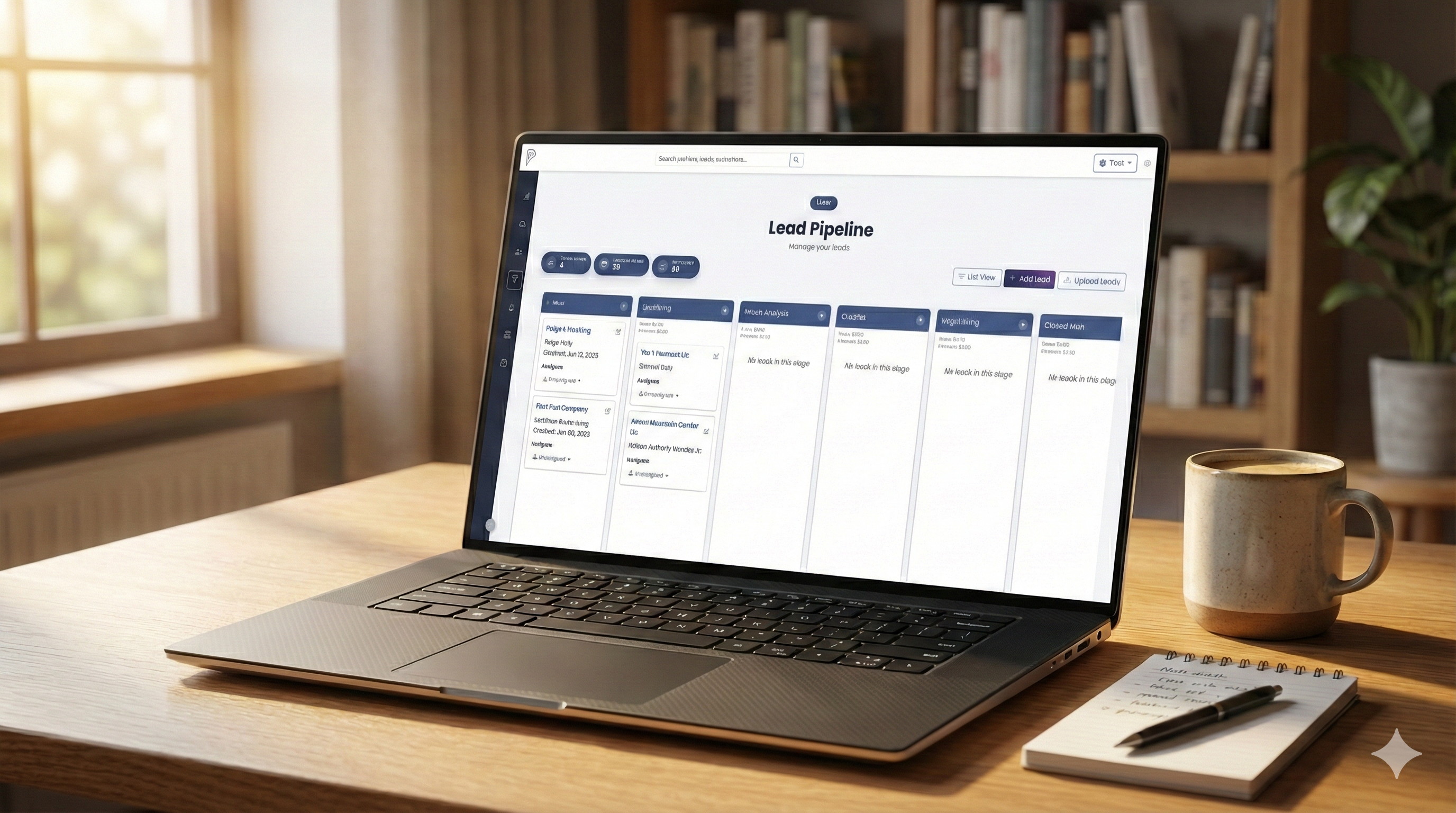
PollyAI runs this end to end: the census data with renewal-date-filtered trucking insurance leads, the outreach sent from your own domain, and the pipeline tracking behind it. Agents fold it into the 15-Minute Morning routine: check replies, work the day's renewal touches, done before 8:15. State bundles run $40 per state per month with expiration dates included on every carrier record.
Trucking Insurance Renewal FAQs
How do I find a motor carrier's insurance renewal date?
Carriers with federal authority keep liability filings on record with the FMCSA, and those filings, including insurer and policy effective dates, are public in the Licensing and Insurance system. Platforms like PollyAI aggregate them so you can filter whole states by expiration month instead of checking DOT numbers one at a time.
How far ahead of renewal should I make first contact?
60 days. Trucking underwriting takes weeks, incumbents start their renewal work 60 to 90 days out, and a carrier who already holds a renewal quote is much harder to win. Earlier than 90 days and nobody is thinking about insurance yet.
Do carriers actually switch at renewal?
Renewal is when switching happens, because mid-term moves cost the carrier short-rate penalties and filing churn. A premium increase at renewal is the single most common trigger for shopping, and it is exactly the moment your 30-day touch arrives.
New authorities are the other timing-based list worth working; day-one carriers have no incumbent at all. The guide to new authority leads covers that side of the calendar.